Skip to content

Understanding Keratoconus and the Role of Scleral Lenses

What is Keratoconus?

Keratoconus is a condition that affects the cornea, the clear front part of the eye. Although it might sound intimidating, understanding keratoconus and its available treatments can help you or someone you know find proper treatment and maintain clear vision.

At Selah Vision Clinic, we help patients with keratoconus achieve clear, comfortable, and healthy vision using scleral contact lenses. Contact us to schedule your appointment if you or someone you love has been diagnosed with a corneal condition.

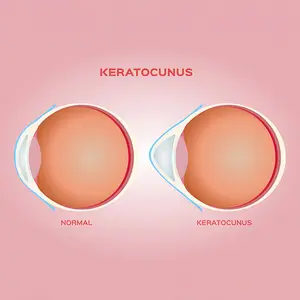
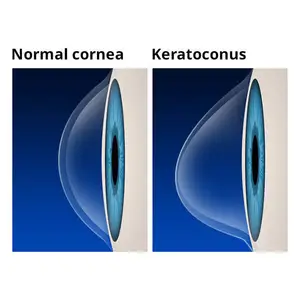
Keratoconus is an eye condition where the cornea, which is normally round and dome-shaped, becomes thin and develops a cone-like bulge. This irregular shape affects the cornea's ability to properly focus light onto the retina, resulting in blurry and distorted vision.


Woman showing a contact lens
A man and a woman sitting in a park and smiling for the camera

Causes of Keratoconus

While the exact cause of keratoconus is still not fully understood, it is believed to be a combination of genetic and environmental factors. If you have a family history of keratoconus, you may be at a higher risk of developing the condition. Frequent eye rubbing, chronic eye irritation, and certain underlying conditions, such as allergies, can also contribute to its development.

A close-up view of a person's eye with a rainbow-like color around it.

Symptoms of Keratoconus

Keratoconus typically starts during the teenage years and gradually progresses over time. The following symptoms may indicate the presence of keratoconus:

  • Blurred or distorted vision: Objects may appear distorted, and it can become increasingly difficult to see clearly even with corrective lenses.
  • Increased sensitivity to light: Bright lights may cause discomfort and glare.
  • Halos and ghosting: Seeing halos or ghosting around lights, especially at night.
  • Eye strain and fatigue: Eyes may feel tired or strained, especially after focusing on objects for extended periods.
Close up of a human eye with brown and green iris

Treatment Options for Keratoconus

Several treatment and corrective options are available for keratoconus. The choice of treatment depends on the severity of the condition and the individual's specific needs. The options include:

  • Glasses or contact lenses: In the early stages, regular glasses or soft contact lenses may be sufficient to correct vision. However, as the condition progresses, specialized lenses become necessary.
  • Hybrid lenses: Hybrid lenses combine the features of rigid and soft lenses. They have a rigid center for clear vision and a soft outer ring for increased comfort.
  • Corneal cross-linking (CXL): This treatment aims to strengthen the cornea using a combination of riboflavin eye drops and ultraviolet light. CXL can help slow down the progression of keratoconus.
  • Scleral lenses: Scleral lenses are becoming increasingly popular for managing keratoconus due to their unique design, comfort, and optical clarity.

Scleral Lenses: A Promising Solution at Selah Vision Clinic

Scleral lenses are large, rigid lenses that vault over the cornea, resting on the sclera (the white part of the eye). Unlike traditional contact lenses, which sit directly on the cornea, scleral lenses create a tear-filled space between the lens and the cornea. This reservoir of fluid acts as a protective barrier, keeping the cornea hydrated and providing a smooth optical surface for improved vision.

A smiling person wearing denim jacket and holding up glasses with green eyes and white circles

How Do Scleral Lenses Work?

When a person with keratoconus wears scleral lenses, the lens creates a uniform surface over the irregular cornea. This helps to reduce distortions and provide clearer vision. The liquid reservoir also moisturizes the cornea, reducing dryness and discomfort. In fact, some studies have found that patients with keratoconus who consistently wear scleral lenses have a much lower chance of needing a corneal transplant. This is due largely to the fact that scleral lenses protect the cornea and shield it from irritation due to blinking and other factors.

Scleral lenses are custom-made for each individual's eye shape and condition. They are highly durable and can usually be worn for longer periods without discomfort.

Effective Keratoconus Treatment at Selah Vision Clinic

Living with keratoconus can be challenging, but with the right understanding and treatment, individuals can achieve improved vision and a better quality of life. While various treatment options exist, scleral lenses have gained recognition for their ability to address the unique needs of those with keratoconus.

If you suspect you may have keratoconus or know someone who does, consult an eye care professional at Selah Vision Clinic who can guide you through the available treatment options, including the potential benefits of scleral lenses. Remember, early detection and intervention are key to managing this condition effectively.

Diagram showing normal and keratoconus eye
Comparison of a normal cornea and a cornea with keratoconus, showing the shape difference clearly.

Keratoconus FAQs

Patient Reviews

4.5
141 Reviews
5
4
3
2
1
Daniel G.
Great EYE Care,very professional!
Austin H.
Selah Vision Center was an incredible experience. I came in knowing my prescription felt off and tha... t I wasn’t seeing clearly. They truly listened to my concerns and took the time to get it right. Even after finding the correct prescription, they fine tuned it to make my vision even sharper. That level of care and precision really stood out and they have now become mine and my blind as a bat families go to optometrist. I left seeing better than I have in a long time. Highly recommend!

Your Keratoconus Treatment Doctor in Selah

Outside our new office
Photograph of Brett Mower
Hours
  • Monday 8:00 am - 5:00 pm
  • Tuesday 8:00 am - 5:00 pm
  • Wednesday 8:00 am - 5:00 pm
  • Thursday 10:00 am - 7:00 pm
  • Friday 8:00 am - 1:00 pm
  • Saturday Closed
  • Sunday Closed
Insurance Plans
  • VSP
  • United Healthcare
  • Cigna
  • Spectera
  • Davis Vision
  • Humana
  • EyeMed
  • Tricare
  • Medicaid
  • Anthem
  • Avesis
  • UMR
  • AARP
  • Care Credit
  • Multiplan
  • Aetna Medicare
  • MetLife
  • March Vision Care
  • AARP Medicare Complete
  • Aetna
  • Meritain Health
  • Optum
  • Cigna Vision
  • Envolve Benefits Options
  • Superior Vision
  • United Health Care Community Plan
  • GEHA
  • Amerigroup
  • TriWest
  • Molina Healthcare
  • FEP Blue Vision
  • Great West Healthcare
  • Mutual Of Omaha
  • Regence
  • Ambetter
  • Health Partners
  • Premera Blue Cross
  • First Choice Health
  • Premier Eye Care
  • WellCare
  • Pacific Source
  • United Healthcare Medicare Advantage
  • Tricare for Life
  • Medicare Part B
  • Health Comp
  • Kaiser Permanente
  • Webtpa
  • Aarp Medicare Advantage
  • PacifiCare
  • IBEW
  • ChampVA
  • Adventist Risk Management Inc.
  • Allegiance
  • Health Alliance Insurance
  • USAA
  • Life Wise Health Plan of Washington
  • Physicans Mutual
  • Network Health
  • Asuris Northwest Health
  • Zenith American Solutions
  • Nbn
  • Regence Group Administrators
  • UFCW
  • Community Health Plan
  • Labor and Industries
  • Washington Apple Health Medicaid
  • Adventist health
  • Employee Benefit Systems
  • American Republic Insurance Services
  • Shasta Health Insurance
  • KPS Health Plans
  • Health Care Solutions Group
Close up of a woman's face with eyes looking over a white cloth.

Clear Vision, Bright Future

Navigating Keratoconus Together