Restore Your Eye Comfort and Quality of Life
Dry Eye after Menopause
Restore Your Eye Comfort and Quality of Life
Menopause, a natural phase in a woman's life, brings many changes, some of which can affect your eye health. As hormonal shifts occur, one common issue many women face during menopause is dry eyes. Understanding the causes and seeking relief becomes essential during this transitional period.
Menopause and Dry Eyes: Understanding the Causes and Seeking Relief
Menopause typically occurs between the ages of 45 and 55 and marks the end of a woman's reproductive years. During this time, the body undergoes significant hormonal changes, primarily decreased estrogen levels. While this hormonal shift is a normal part of aging, it can lead to various uncomfortable symptoms, including dry eyes.

Why Does Menopause Lead to Dry Eyes?
Estrogen plays a vital role in maintaining the health of your eye's tear film, which is crucial for keeping your eyes moist and comfortable. As estrogen levels decline, the tear film may become less stable, leading to symptoms of dry eye syndrome.
Dry eyes can be more than just an inconvenience. They can significantly impact your daily life, making it difficult to focus on work, enjoy your favorite activities, or socialize.
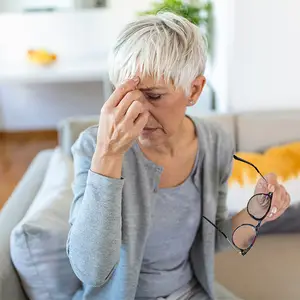
Symptoms of Dry Eye after Menopause
Dry eye symptoms can vary from person to person. Here are some common symptoms you might experience:
- Persistent dryness and discomfort in your eyes.
- Grittiness or a feeling of something in your eyes.
- Excessive tearing.
- Blurred vision, particularly when reading or using digital screens.
- Increased sensitivity to light (photophobia).
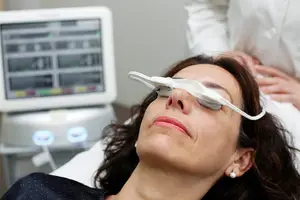
Selah Vision Clinic offers several dry eye treatments that can effectively alleviate these symptoms and restore your visual comfort.
Risk Factors of Dry Eyes During Menopause
Several factors can increase the risk of dry eyes in women during menopause. Understanding these risk factors is essential for effective prevention and management.
-
Medical Conditions and Medications
Medical conditions such as thyroid conditions, diabetes, and regular use of antihistamines and autoimmune disease can elevate the risk of dry eyes in women experiencing menopause.
-
Contact Lens Use
Contact lens wearers may experience exacerbated dry eye symptoms during menopause, necessitating proper care and hydration.
-
Environmental Factors
Dry climates and excessive air conditioning can create unfavorable conditions for women in menopause, increasing their susceptibility to dry eye symptoms.
-
Lifestyle Factors
Dietary choices and smoking can impact eye health during menopause, making it essential to maintain a healthy lifestyle to reduce dry eye risks.
Patient Reviews
4.5
141 Reviews
Daniel G.
Great EYE Care,very professional!
Austin H.
Selah Vision Center was an incredible experience. I came in knowing my prescription felt off and tha... Show Moret I wasn’t seeing clearly. They truly listened to my concerns and took the time to get it right. Even after finding the correct prescription, they fine tuned it to make my vision even sharper. That level of care and precision really stood out and they have now become mine and my blind as a bat families go to optometrist. I left seeing better than I have in a long time. Highly recommend!
Dry Eyes in Selah


Hours Show More
- Monday 8:00 am - 5:00 pm
- Tuesday 8:00 am - 5:00 pm
- Wednesday 8:00 am - 5:00 pm
- Thursday 10:00 am - 7:00 pm
- Friday 8:00 am - 1:00 pm
- Saturday Closed
- Sunday Closed
Insurance Plans Show More
- VSP
- United Healthcare
- Cigna
- Spectera
- Davis Vision
- Humana
- EyeMed
- Tricare
- Medicaid
- Anthem
- Avesis
- UMR
- AARP
- Care Credit
- Multiplan
- Aetna Medicare
- MetLife
- March Vision Care
- AARP Medicare Complete
- Aetna
- Meritain Health
- Optum
- Cigna Vision
- Envolve Benefits Options
- Superior Vision
- United Health Care Community Plan
- GEHA
- Amerigroup
- TriWest
- Molina Healthcare
- FEP Blue Vision
- Great West Healthcare
- Mutual Of Omaha
- Regence
- Ambetter
- Health Partners
- Premera Blue Cross
- First Choice Health
- Premier Eye Care
- WellCare
- Pacific Source
- United Healthcare Medicare Advantage
- Tricare for Life
- Medicare Part B
- Health Comp
- Kaiser Permanente
- Webtpa
- Aarp Medicare Advantage
- PacifiCare
- IBEW
- ChampVA
- Adventist Risk Management Inc.
- Allegiance
- Health Alliance Insurance
- USAA
- Life Wise Health Plan of Washington
- Physicans Mutual
- Network Health
- Asuris Northwest Health
- Zenith American Solutions
- Nbn
- Regence Group Administrators
- UFCW
- Community Health Plan
- Labor and Industries
- Washington Apple Health Medicaid
- Adventist health
- Employee Benefit Systems
- American Republic Insurance Services
- Shasta Health Insurance
- KPS Health Plans
- Health Care Solutions Group

Discover Relief and Clarity with Dry Eye Therapy
At Selah Vision Clinic, we specialize in helping women manage dry eyes during and after menopause. Our team of experienced professionals offers a range of treatments tailored to your unique needs.
Don't let dry eyes hinder your quality of life; schedule an appointment with us today to regain comfort and clarity in your vision.